If you’ve ever played Dungeons & Dragons, you’ll know how quickly a session can get chaotic. One minute you’re deep in an epic battle. The next, someone is flicking through a rulebook trying to remember what a spell does. Then the DM is searching for a monster’s abilities, while everyone else waits for their turn.
We’ve all been there. That’s where the best D&D reference cards can make a real difference. Instead of constantly reaching for a rulebook, you can keep commonly used spells, monsters, and magic items right beside you. It’s a simple way to spend less time searching and more time actually playing.
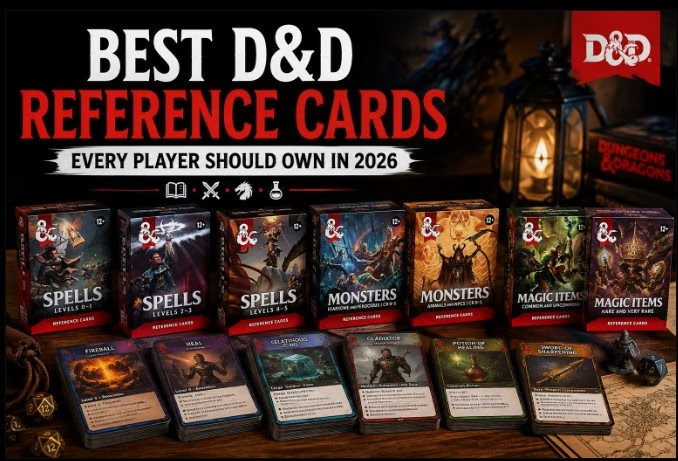
The official D&D Reference Cards range includes dedicated cards for spells, monsters, and magic items. The current collection covers more than 1,000 cards across these categories.
So, which ones are worth adding to your gaming kit? Let’s take a look at the best D&D reference cards for players and Dungeon Masters in 2026.
Best D&D Reference Cards Every Player Should Own
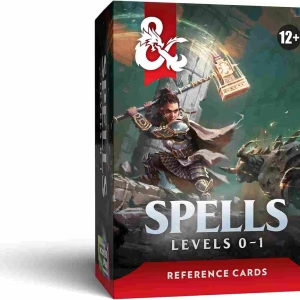
The D&D Reference Cards – Spells Levels 0–1 set covers the lower-level spells and cantrips you’ll encounter early in your character’s progression.
The official set includes 105 spell reference cards covering levels 0–1.
That’s particularly useful when you’re still getting your head around how your character’s magic works. You can keep your most-used spells beside your character sheet and quickly check their details when you need them.
They’re handy for classes such as:
- Wizard
- Sorcerer
- Cleric
- Druid
- Bard
- Warlock
Best for: New spellcasters and characters using lots of level 0 and level 1 spells.
Once your character starts levelling up, things get a little more interesting.
You’ve got more spells to choose from, which means more options during combat. That’s great until you’re sitting there thinking, “Which spell actually does what again?”
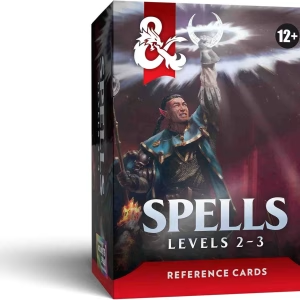
The D&D Reference Cards – Spells Levels 2–3 set includes 129 spell reference cards.
Having these cards nearby means you can quickly review your options without digging through your books.
They’re especially useful for longer campaigns where your character has built up a bigger collection of spells.
Best for: Mid-level spellcasters and players who have moved beyond the early stages of a campaign.
Things can get pretty serious once your character starts accessing higher-level spells.
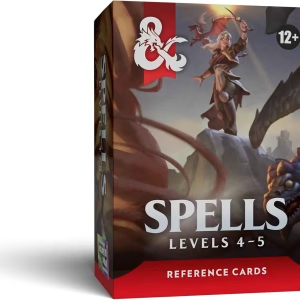
The D&D Reference Cards – Spells Levels 4–5 set includes 108 cards covering levels 4 and 5.
These are particularly useful when you’ve got powerful spells that can completely change the outcome of an encounter.
Rather than stopping the game to check a description, you can simply grab the relevant card.
Quick, easy and much less faffing about with rulebooks.
Best for: Experienced spellcasters and higher-level campaigns.
Now let’s talk about the Dungeon Masters.
Running a campaign means keeping track of a lot more than one character.
You’ve got encounters, monsters, NPCs, abilities and whatever wild plan your players have decided to come up with this week.
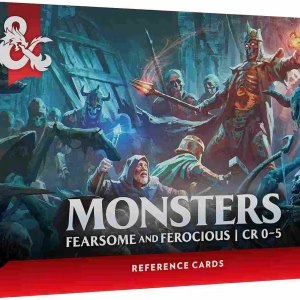
The D&D Monsters Reference Cards – Fearsome & Ferocious set gives DMs quick access to monster information during encounters.
The official set includes 101 monster reference cards.
They’re particularly useful for bigger battles and encounters featuring tougher enemies.
Before your session, pull out the cards you’ll need and keep them nearby.
Then, when the players inevitably wander into trouble, you’re ready.
Best for: Dungeon Masters running combat-heavy campaigns and challenging encounters.
Not every adventure involves fighting a terrifying monster.
Sometimes your players are wandering through a town, exploring the wilderness or talking to an NPC.
And sometimes, despite your carefully prepared campaign, they decide to investigate something you absolutely did not expect.
That’s D&D for you.
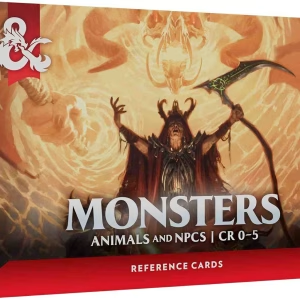
The D&D Monsters Reference Cards – Animals & NPCs set includes 113 cards covering this category.
These cards can be particularly handy when you’re improvising.
Having relevant information ready means you can respond to unexpected player decisions without having to stop the session and search through your books.
Best for: Exploration, roleplaying encounters, NPC interactions and spontaneous adventures.
Few things make players happier than hearing:
“You find a magic item.”
Magic items are a big part of the fun, but managing their details can become a bit tedious.
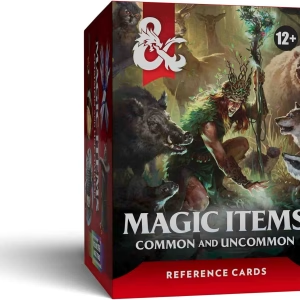
The D&D Magic Items – Common & Uncommon reference card set includes 183 cards covering Common and Uncommon magic items.
These are useful when you’re handing out treasure, preparing rewards or simply helping players keep track of what they’ve picked up during their adventures.
Instead of checking the book every time someone asks what their new item does, you can simply hand them the relevant card.
Best for: Newer campaigns, lower-level characters and everyday treasure rewards.
Then there are the really exciting rewards.
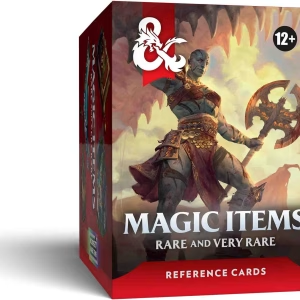
If your campaign has reached higher levels, D&D Magic Items – Rare & Very Rare can be a great addition to your DM toolkit.
The official set contains 225 cards covering Rare and Very Rare magic items.
These are ideal for bigger campaign rewards and high-level adventures.
Imagine defeating a major boss and having the DM physically hand you a card showing your new magic item.
It makes the reward feel a little more special.
Best for: Experienced Dungeon Masters, high-level campaigns and powerful treasure rewards.
Tip from Dark Wolf Collectibles
If you’re just starting your first campaign, you don’t need to overcomplicate things. Start with the spells your character uses most.
Why Every D&D Player Needs Reference Cards
D&D is meant to be about adventure, storytelling, and having a good laugh with your mates. But let’s be honest. There can be a fair bit of rule-checking involved. Having D&D reference cards nearby can make those moments much easier to manage.
Spend Less Time Digging Through Rulebooks
If you’re playing a spellcaster, you’ll know the struggle. You’ve got a stack of spells available, and suddenly you need to check a spell’s range, duration or effect before deciding what to cast.
The official D&D rules provide all this information, but finding a specific spell during a busy encounter isn’t always quick. A spell reference card gives you a much easier way to keep commonly used information within reach. Simply grab the card you need, check the details and get back into the action.
Keep Combat Moving
Combat can already take a while when everyone is deciding what to do. Add several monsters, spells and special abilities into the mix, and things can slow down pretty quickly. That’s where D&D reference cards come in handy. DMs can prepare their monster cards before a session. Players can keep their most-used spell cards nearby.
No more “Hang on, let me check the book.” Well… maybe a little of that. But hopefully a lot less.
Spend More Time Playing
The whole point of D&D is to enjoy the adventure. You want dramatic battles, clever plans, ridiculous character decisions and those moments where the entire table loses it laughing.
Reference cards won’t magically make your campaign run perfectly. But they can remove some of the little interruptions that get in the way. And sometimes, that’s all you need.
What Makes the Best D&D Reference Cards?
Not every player needs the same set of cards. A wizard might get heaps of use from spell cards, while a Dungeon Master might prefer monster and magic item cards. So, when you’re choosing the best D&D reference cards, think about what you actually use during your sessions.
Easy-to-Read Information
The whole point of a reference card is convenience. You should be able to pick up a card, find the information you need and get on with the game. That’s especially useful when you’re in the middle of combat and everyone is waiting for you to decide what your character is doing.
Useful During Real Gameplay
The best D&D accessories are the ones that actually get used. There’s no point buying something that looks great but spends the entire campaign sitting in a drawer.
Spell cards, monster cards and magic item cards all have practical uses during a session. They can help with everything from spellcasting and combat to encounter preparation and treasure rewards.
Useful for Players and Dungeon Masters
Reference cards aren’t just for the DM. Players can use them to keep track of spells and magic items. DMs can use them to prepare encounters and manage monsters. That’s what makes them such a handy addition to your tabletop gaming kit.
Why D&D Reference Cards Are Worth It
Let’s face it. You don’t need reference cards to play D&D. You can absolutely run a campaign with your books, character sheets, dice and plenty of snacks. But if you play regularly, the convenience can be worth it.
The right D&D reference cards can help you:
- Find information faster
- Reduce interruptions
- Keep combat moving
- Prepare encounters
- Organise spells
- Manage magic items
- Make sessions easier to run
They’re also reusable.
Once you’ve built up your collection, you can take those cards from one campaign to the next. That’s pretty handy for regular players and DMs.
Final Thoughts: Make Your Next D&D Session a Little Easier
The best D&D reference cards aren’t necessarily the ones you own the most of. They’re the ones you’ll actually use. You can always build your collection as your campaign grows.
At the end of the day, D&D is about having a good time with your gaming group. If a few handy cards mean less time flicking through books and more time rolling dice, they’re doing their job.
So, grab your dice, get your character sheet sorted and prepare for the next adventure.
Looking to upgrade your tabletop setup? Explore Dark Wolf Collectibles and find the right cards for your next campaign. Happy rolling, legends!


Add comment